Resources
Why Youth Development Programs in Minnesota Matter: Building Stronger Futures Together
Apr 24, 2026 · 7 min read
Minnesota gives families four very different seasons and a calendar full of opportunities. This practical guide walks parents and caregivers through healthy, affordable, and fun ways to keep kids and teens active in spring, summer, fall, and winter, with local tips, safety advice, and ways to connect with MYSI programs in every season.

Minnesota is one of the few places in the country where families actually live four very different lives in one year. The state moves from frozen January mornings to humid July afternoons, from October color to April mud, and each season opens a different door for kids. Knowing what to do in each one is part of raising healthy, curious, and connected young people here.
This guide is built for families. It walks through what to do, where to go, and how to keep kids active and supported in every season of the Minnesota calendar. Along the way you will find practical safety tips, links to trusted public resources, and easy ways to plug your child into a MYSI program that fits the time of year.
Children need different things at different times of year. In summer, they need long active days, water, and structured time so the school year gains do not slip away. In winter, they need movement, light, and connection so the dark months do not turn into isolation. Building a family rhythm that follows the seasons is one of the simplest and most powerful health strategies a Minnesota household can adopt.
The U.S. Centers for Disease Control and Prevention recommends at least 60 minutes of moderate to vigorous physical activity every day for children ages 6 to 17. That is hard to do without a plan, and the plan looks very different in January than it does in July. The seasons themselves can carry the work for you, if you let them.
"Children who spend regular time in nature show measurable improvements in attention, mood, and stress recovery." Research summary from the Children & Nature Network.
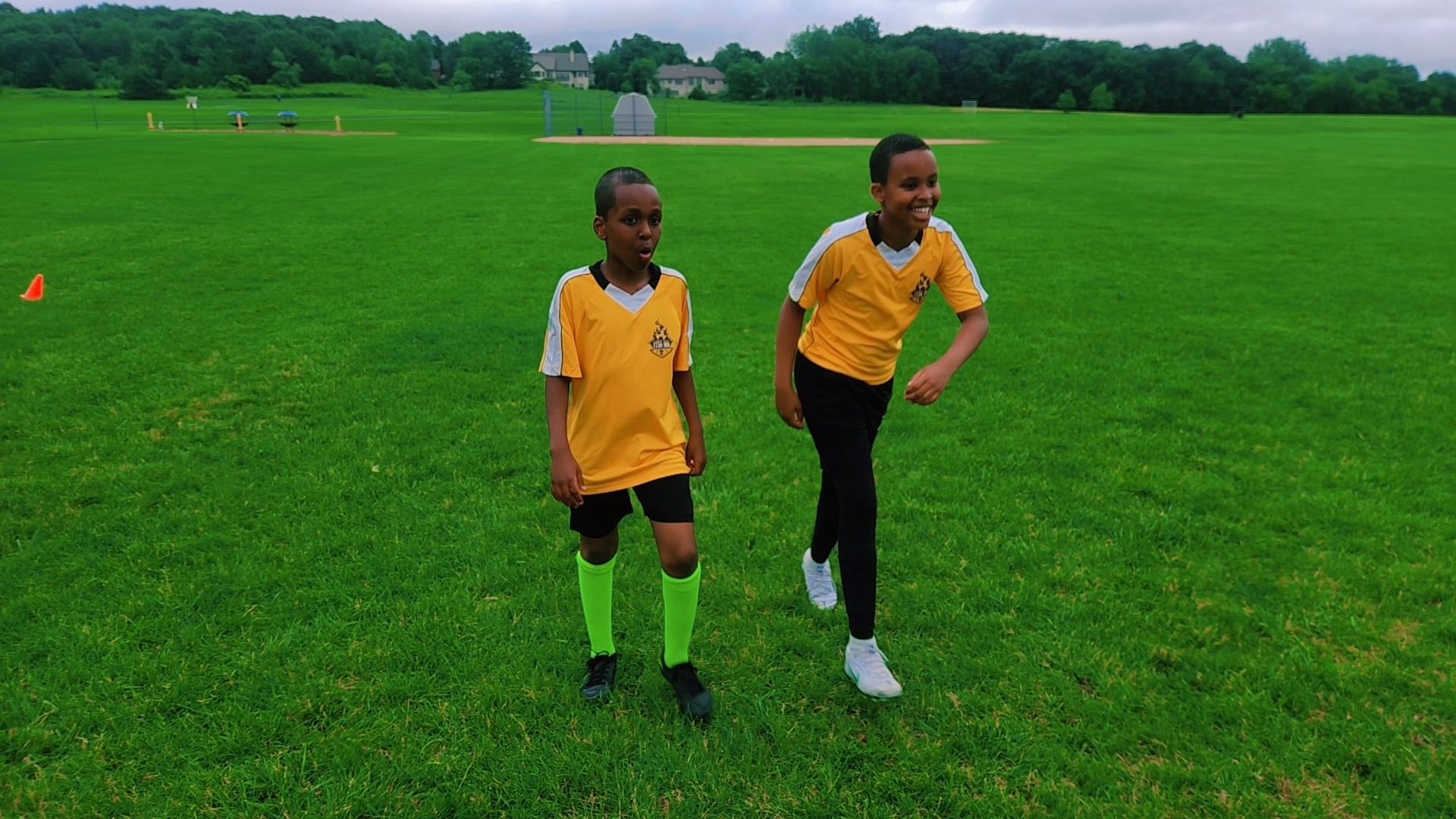
Spring in Minnesota is short, muddy, and full of energy. The snow recedes, the fields reopen, and families step outside for the first long walks in months. Spring is the right season to reintroduce routine outdoor movement and to set the tone for the warm months ahead.
Minnesota springs are unpredictable. Mornings can be near freezing and afternoons can hit 70 degrees in the same week. Dress kids in layers, keep a waterproof outer shell handy, and check trail conditions before heading out. Tick season also begins in May. The Minnesota Department of Health publishes seasonal tick guidance that is worth reading once a year.
Looking for a spring program? Browse our current MYSI programs or check the events calendar for spring open days and registration nights.
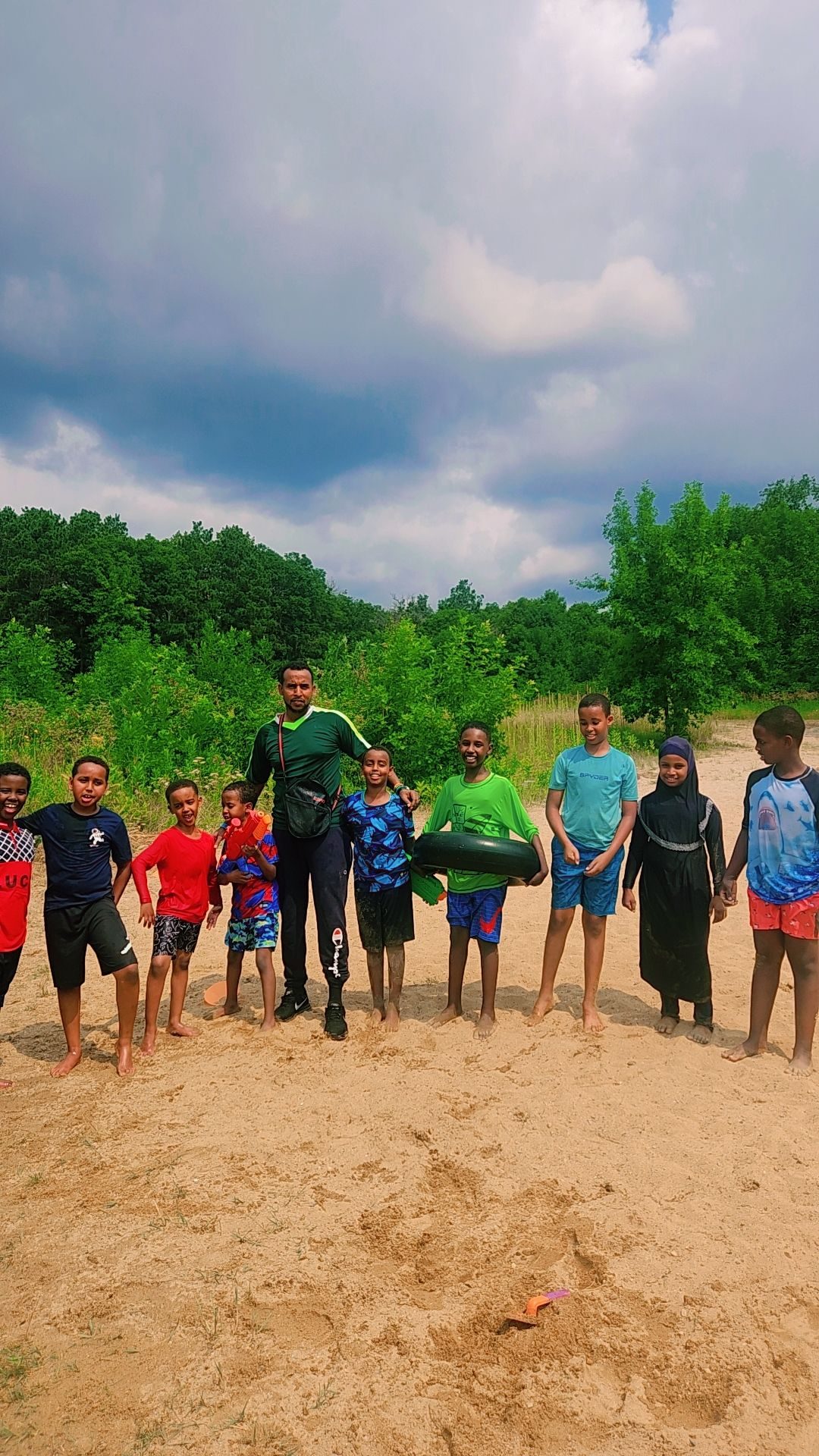
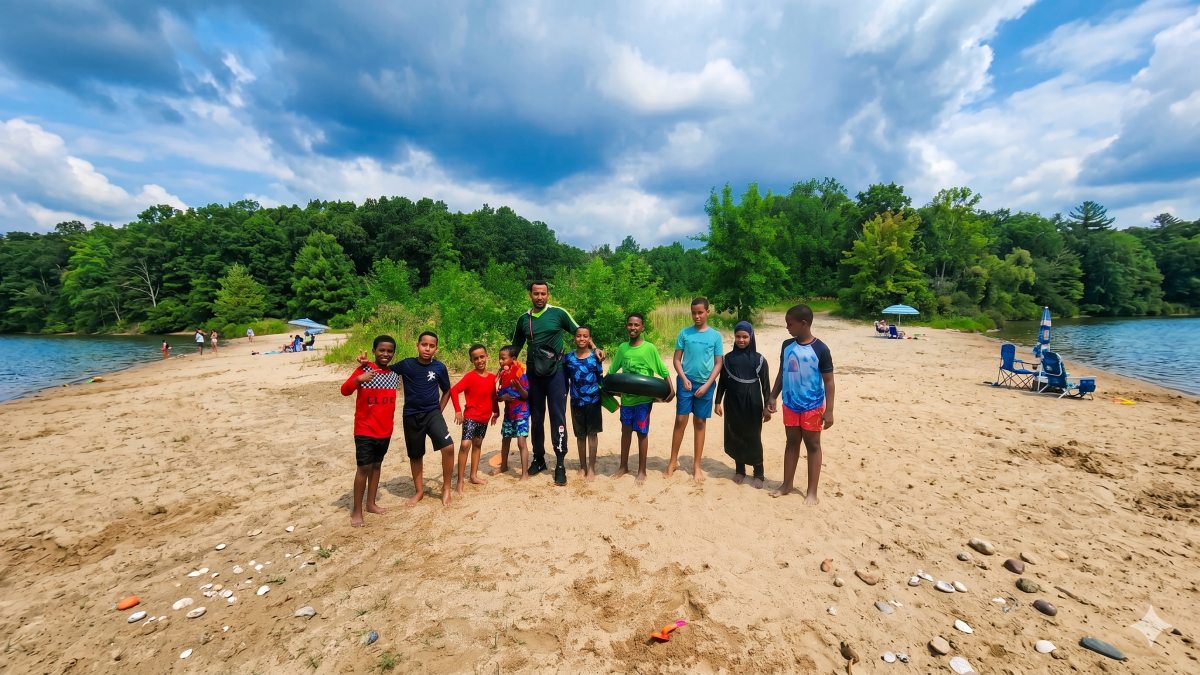
Summer is the headline season. With more than 11,000 lakes, hundreds of public beaches, and some of the longest daylight hours in the lower 48, Minnesota summer is built for kids. It is also a time when the structure of school disappears, and unstructured weeks can quickly turn into a long stretch of screen time.
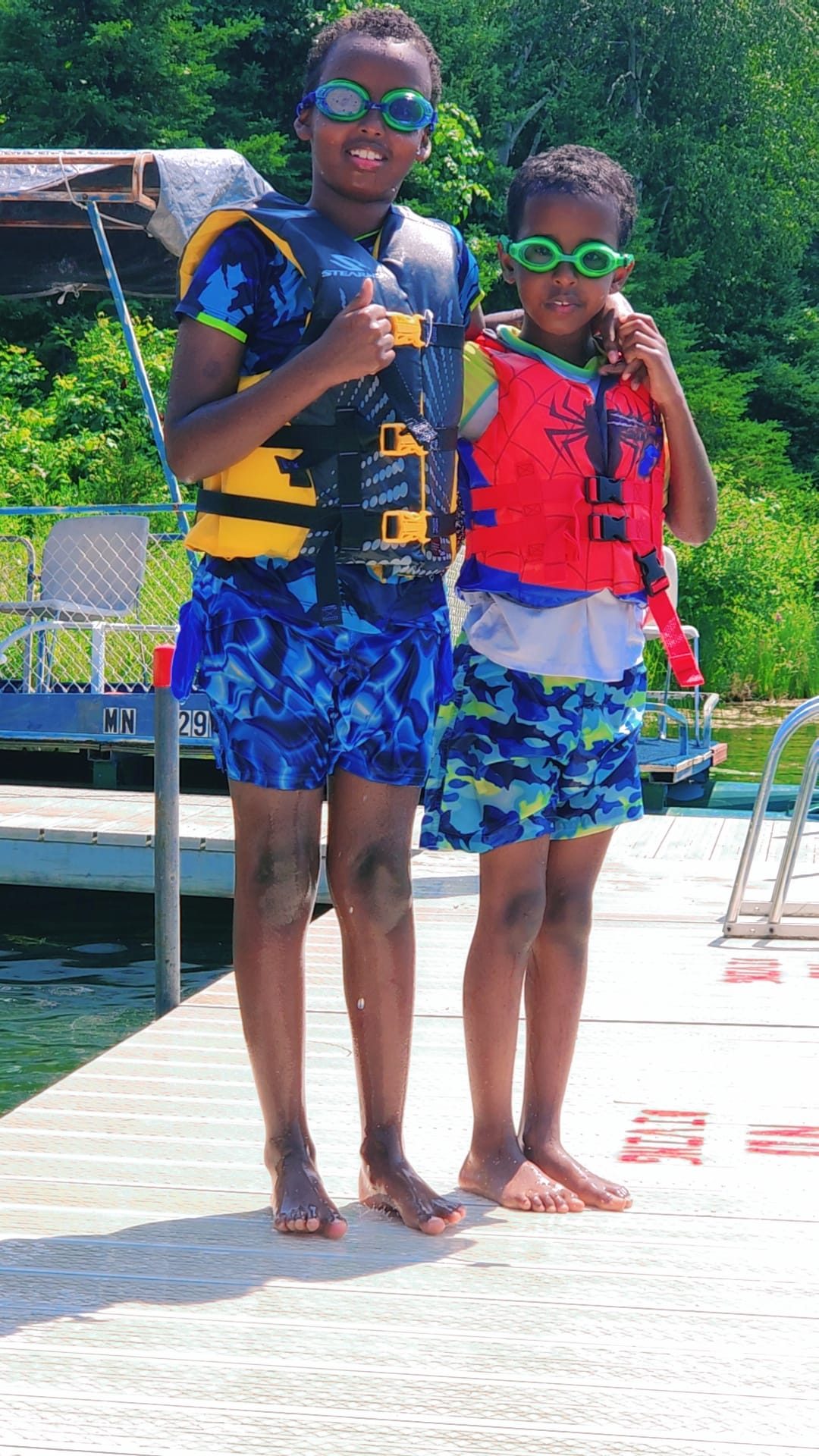
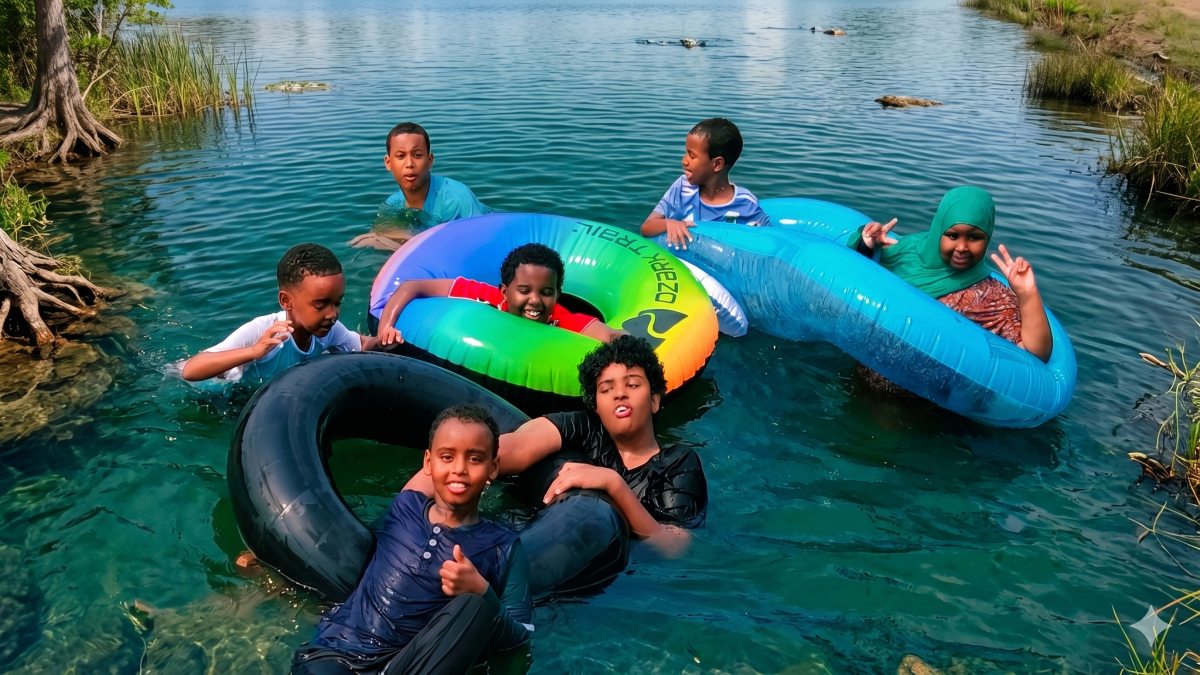
Drowning is the leading cause of unintentional injury death for children ages 1 to 4 and the second leading cause for ages 5 to 14, according to the CDC. In a state with more shoreline than California, Florida, and Hawaii combined, water safety is not optional. Every Minnesota child benefits from real swim lessons, well fitted life jackets, and supervised time on the water.
The American Red Cross water safety program is a strong starting point for families looking to build comfort and skill around water. MYSI summer programs include certified water safety training and life jacket education for every participant who joins us on or near the lakes.
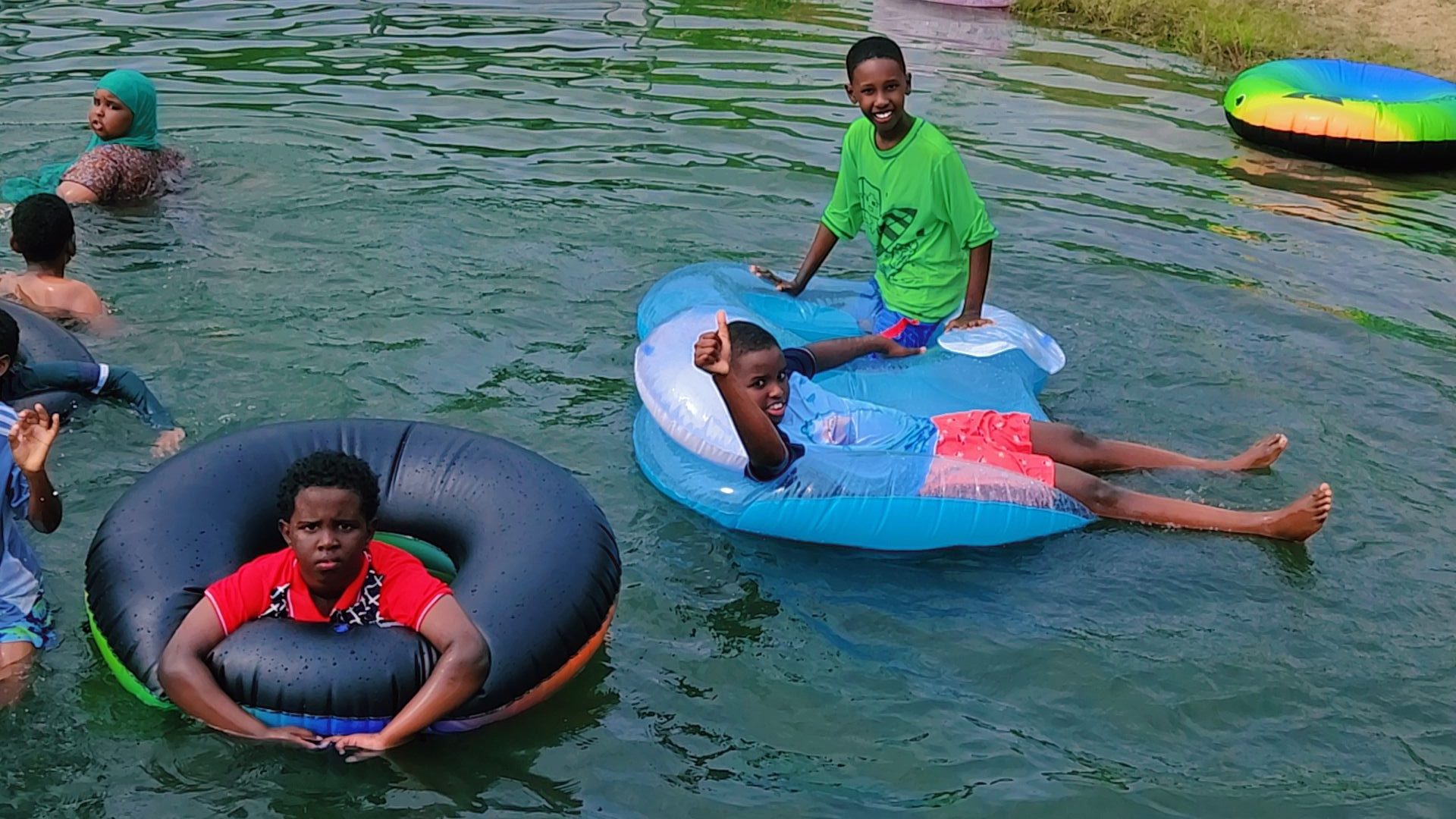
Research from the RAND Corporation shows that students from low income households can lose more than two months of academic progress over an unstructured summer. A balanced summer schedule that mixes camp days, reading time, and family outings can close that gap before it even opens.
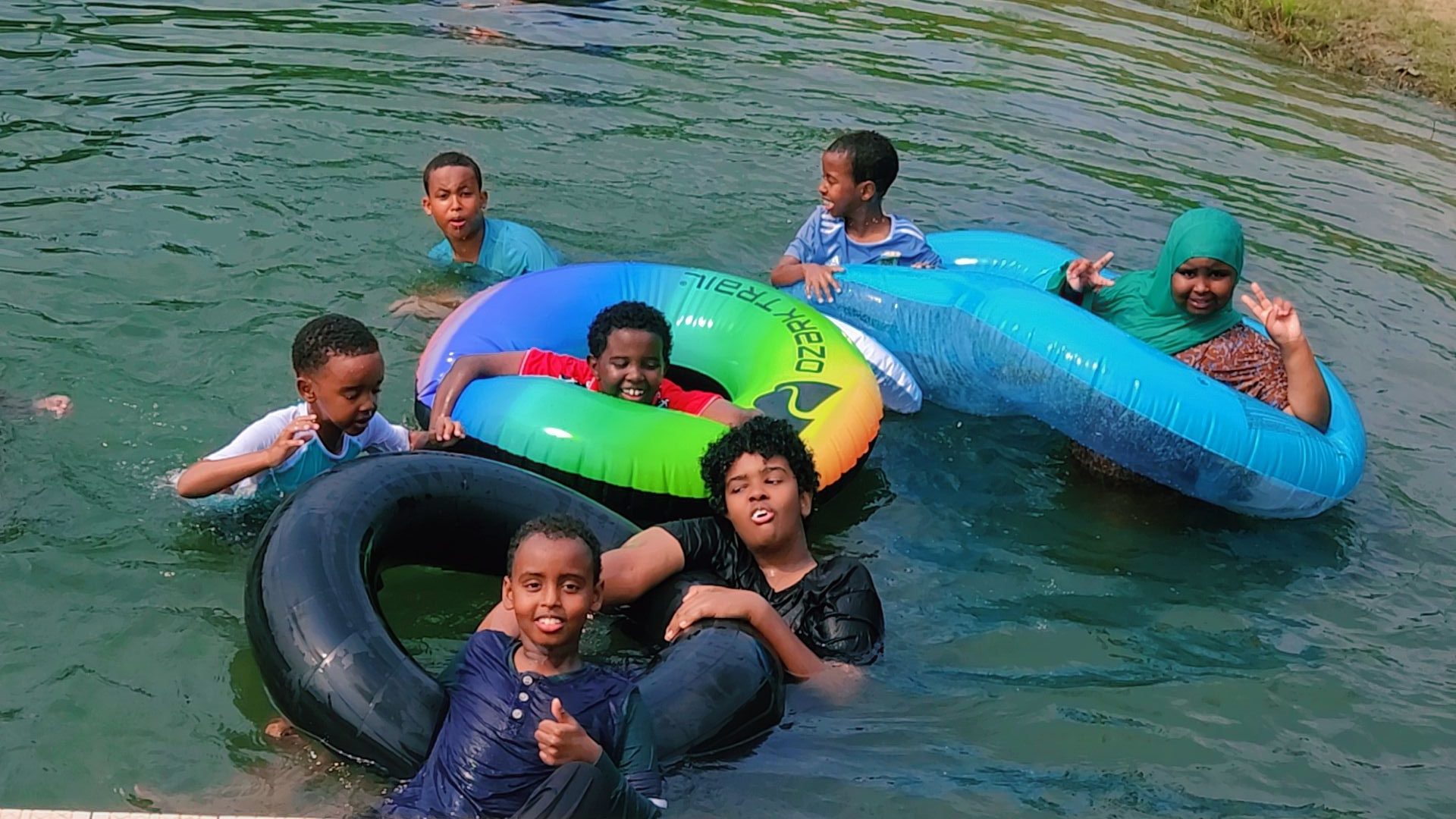
Summer camp scholarships are available. If cost is a concern, visit our opportunities page or contact the MYSI team to ask about need based support.
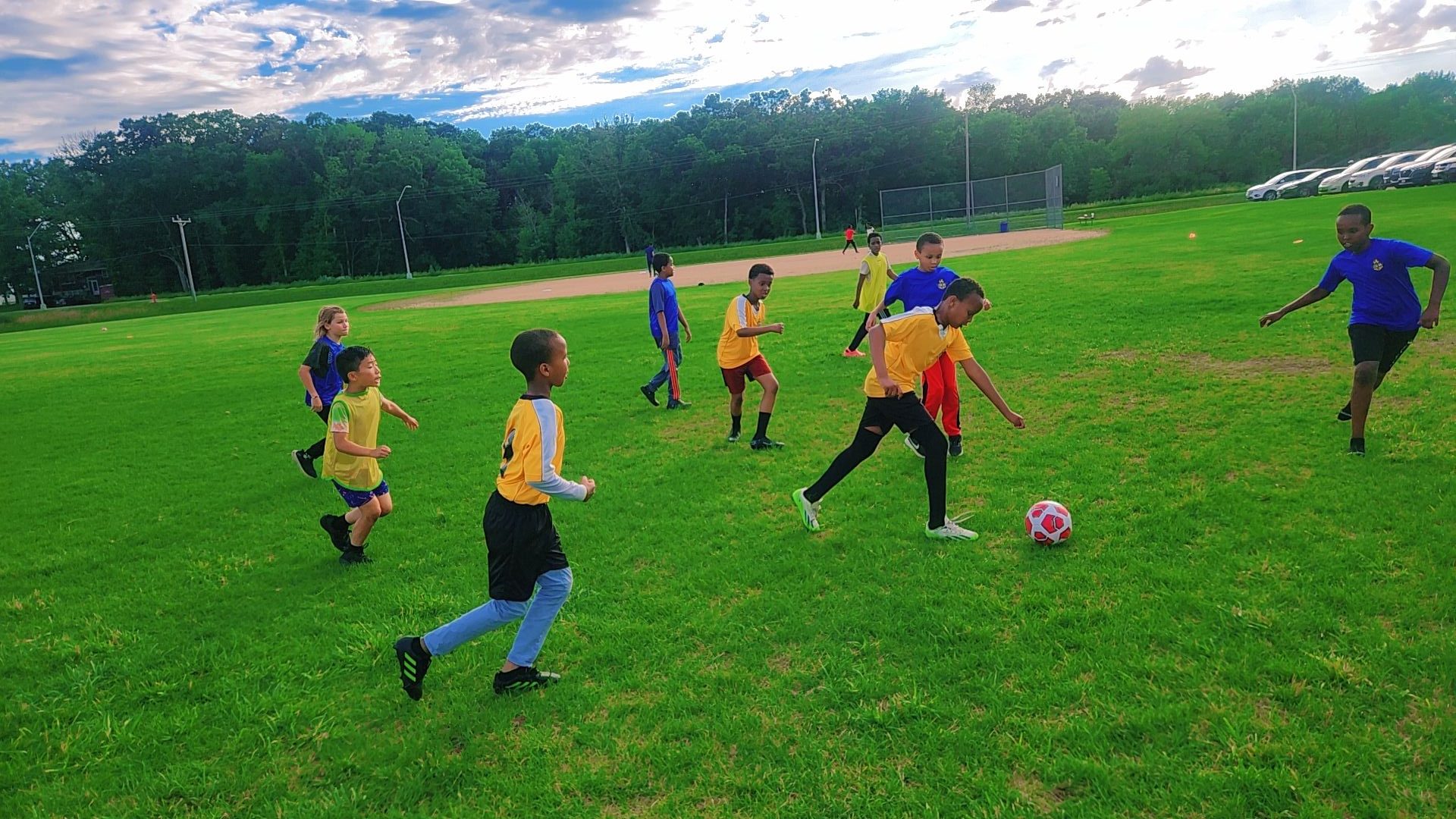
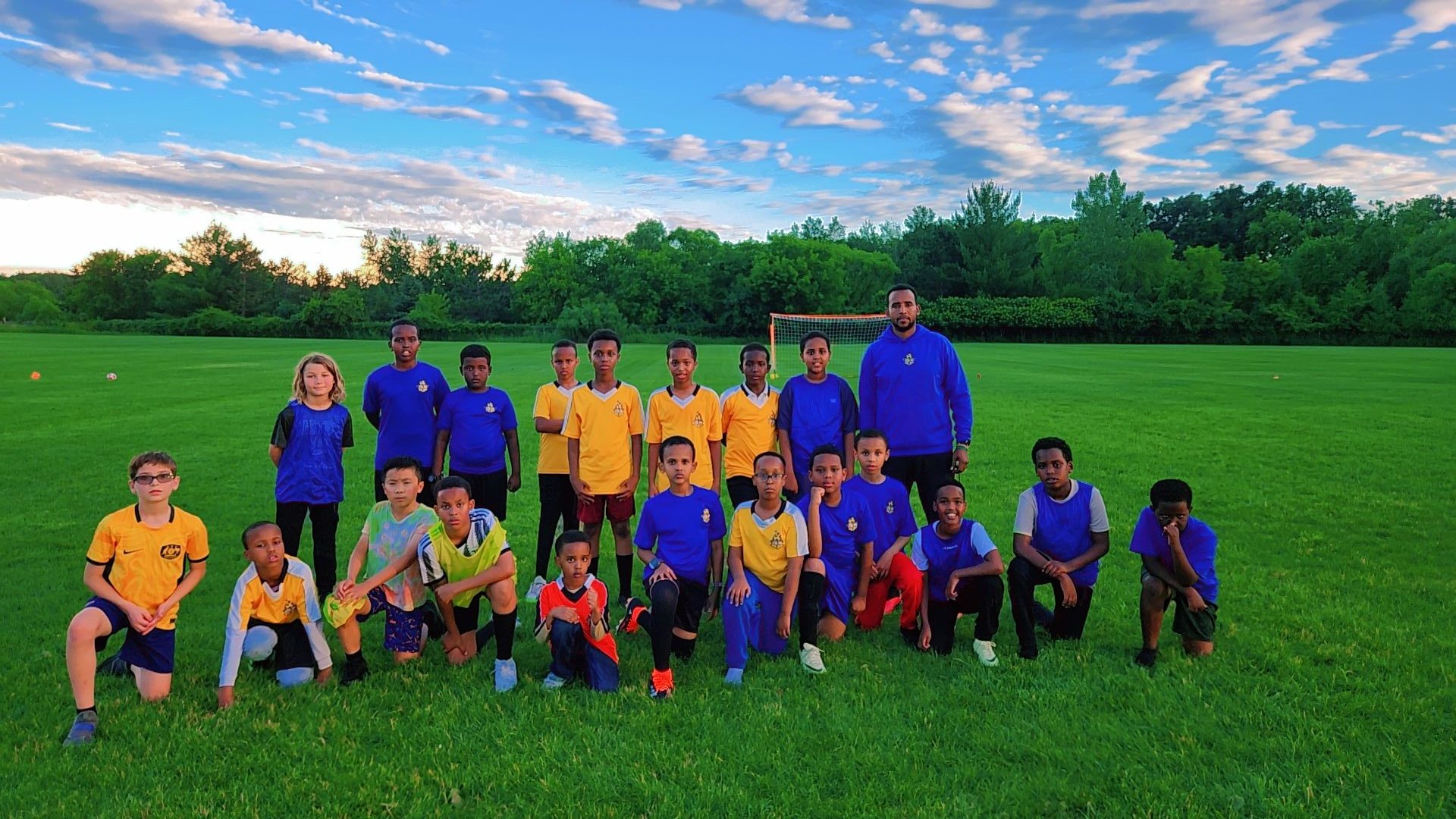
Fall is one of the most beautiful seasons in Minnesota. The air cools, the leaves turn, and school routines return. For families, fall is when the calendar regains its shape, and that shape can either crowd kids with screens and stress or center them around healthy activity.
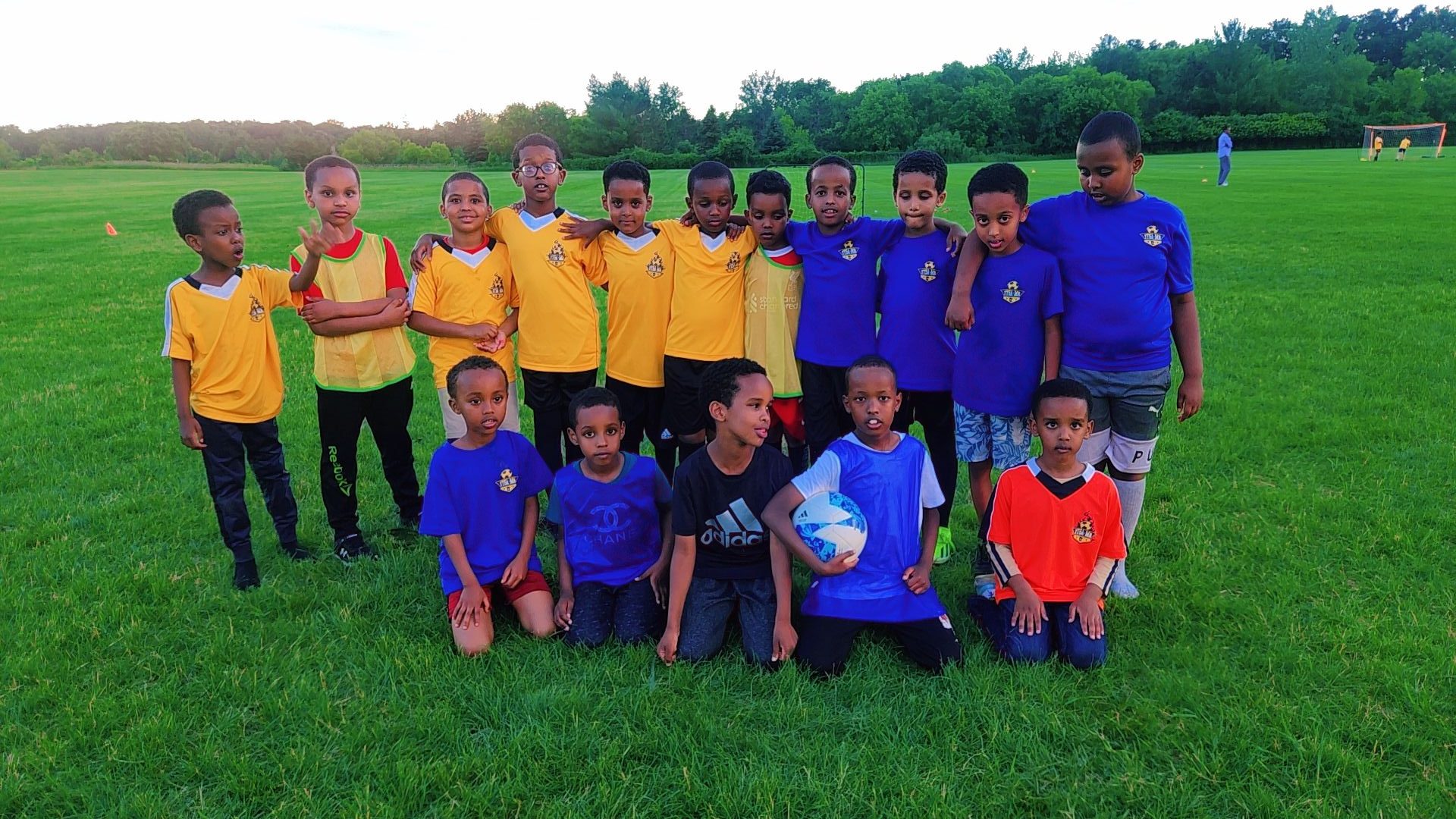
The window between 3 p.m. and 6 p.m. on school days is one of the most important blocks in a young person's week. The Afterschool Alliance America After 3PM report finds that students who attend structured after school programs are more likely to graduate, more likely to participate in extracurriculars, and less likely to engage in risky behavior. Filling those hours with intention is one of the highest leverage things a Minnesota family can do.
For families looking for an after school option, MYSI programs run weekday afternoons and Saturdays in St. Cloud and partner sites across Minnesota.
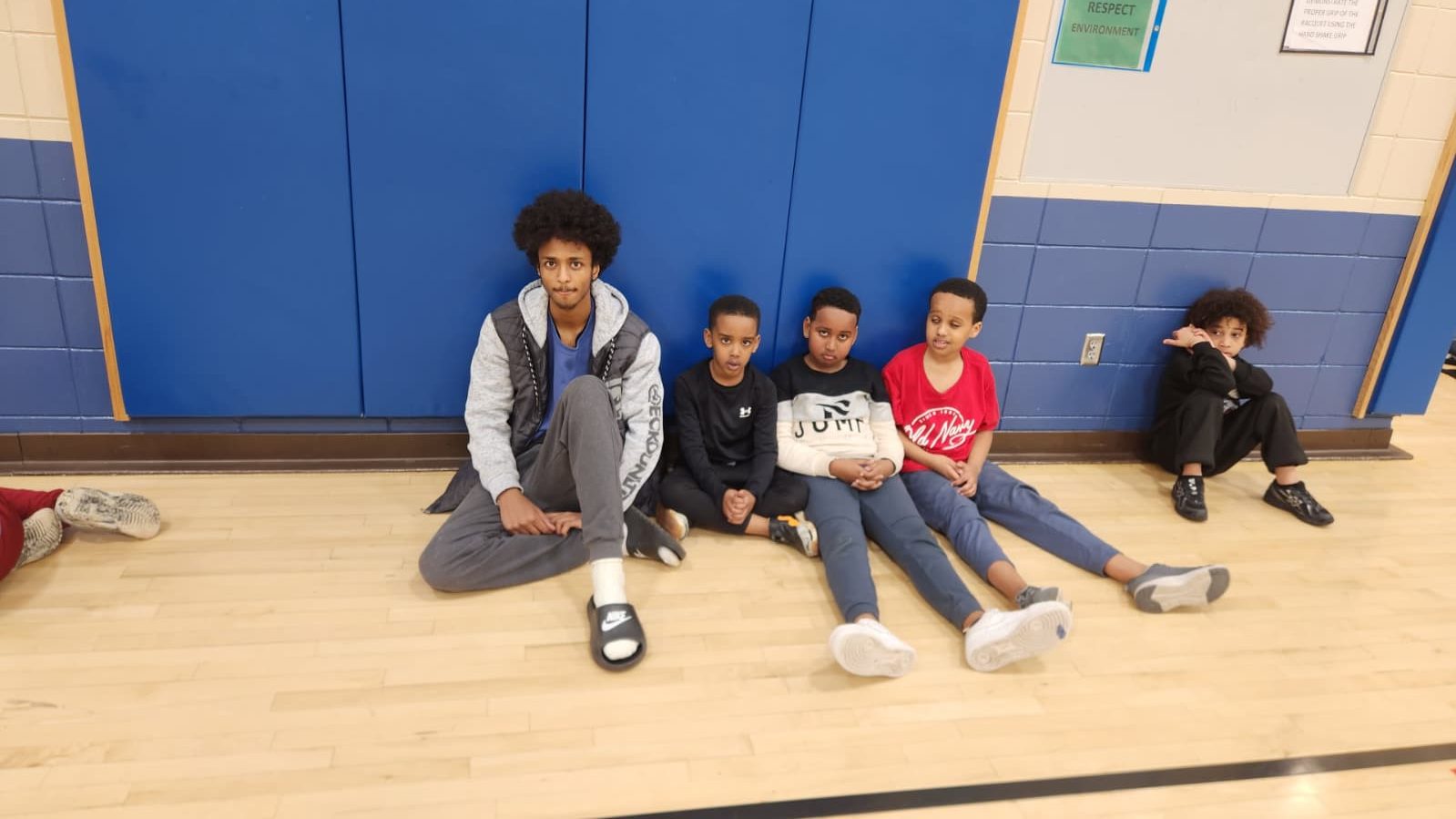
Minnesota winters are long. In Minneapolis the shortest day of the year offers only about 8 hours and 46 minutes of daylight. Northern Minnesota gets even less. For families, the winter months can feel like a stretch of cabin fever. With a little intention, they can become one of the most rewarding seasons of the year.
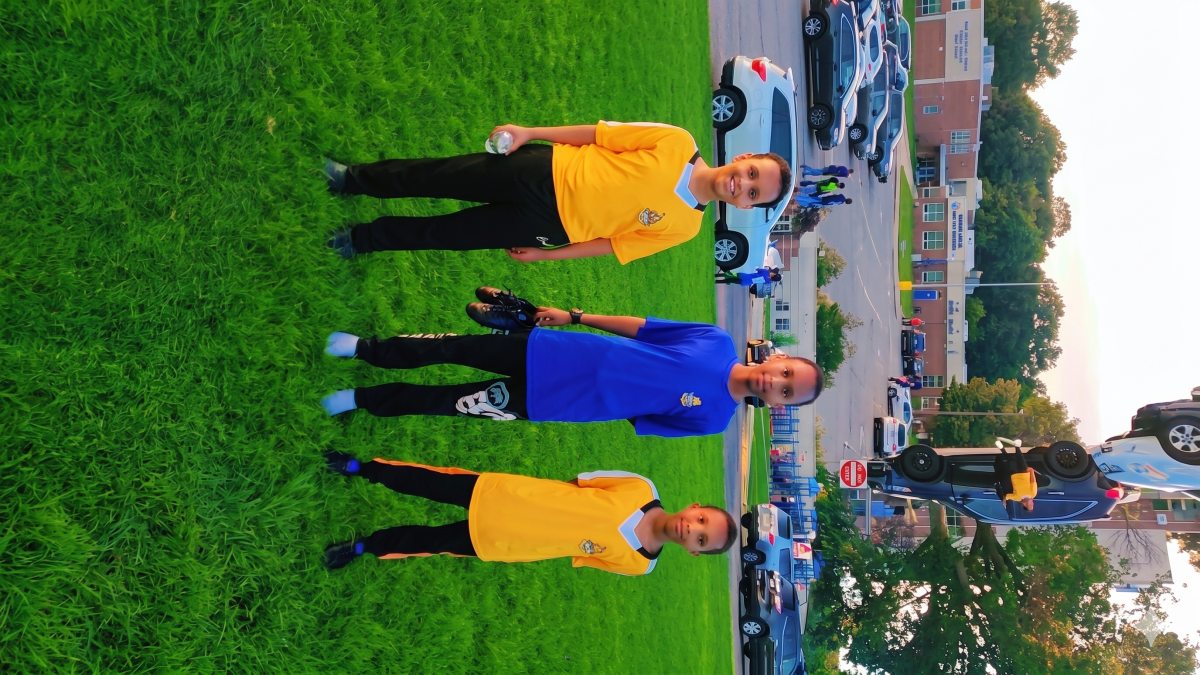
Short days can affect adolescents more than parents sometimes realize. The National Institute of Mental Health notes that seasonal mood patterns can begin as early as the teen years and often respond well to a combination of daily movement, social contact, exposure to light, and routine. MYSI winter programming aligns with the priorities of the Minnesota Department of Education mental health initiative and offers small group, culturally rooted wellness circles for youth and families.
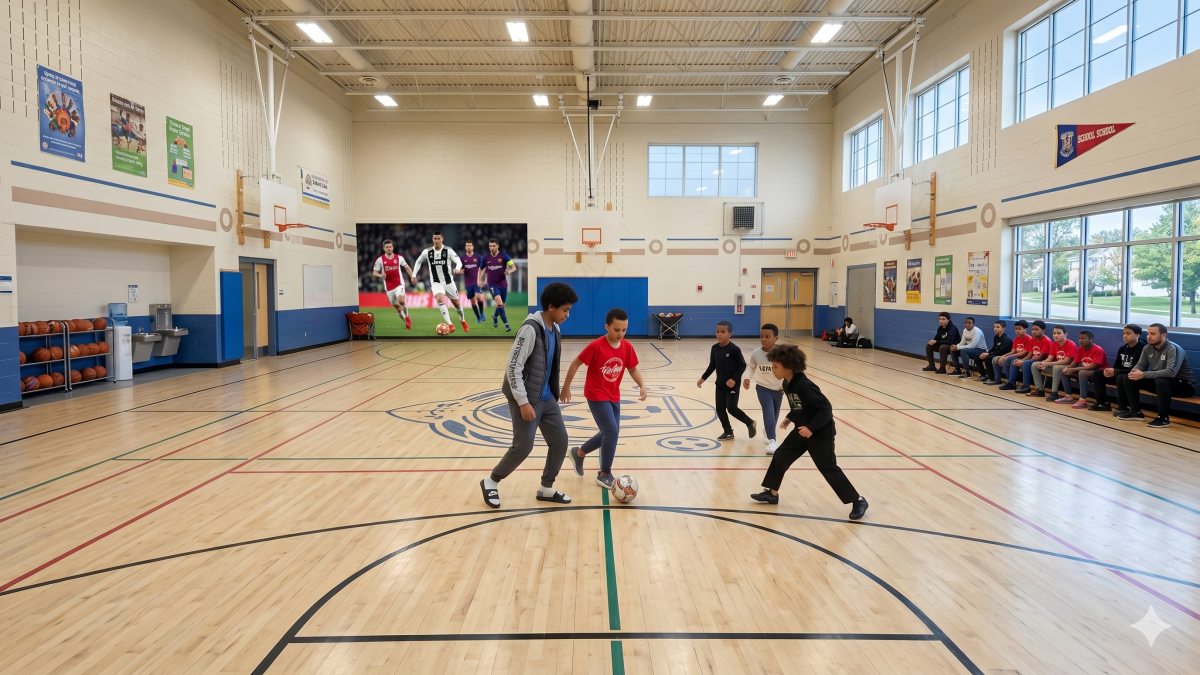
Winter is also when our older youth, ages 14 to 24, build skills that carry well beyond sports. Cohort based workshops cover financial literacy, college and career planning, public speaking, and community organizing. Many MYSI summer staff and assistant coaches first joined as winter participants. Explore current openings on the opportunities page.
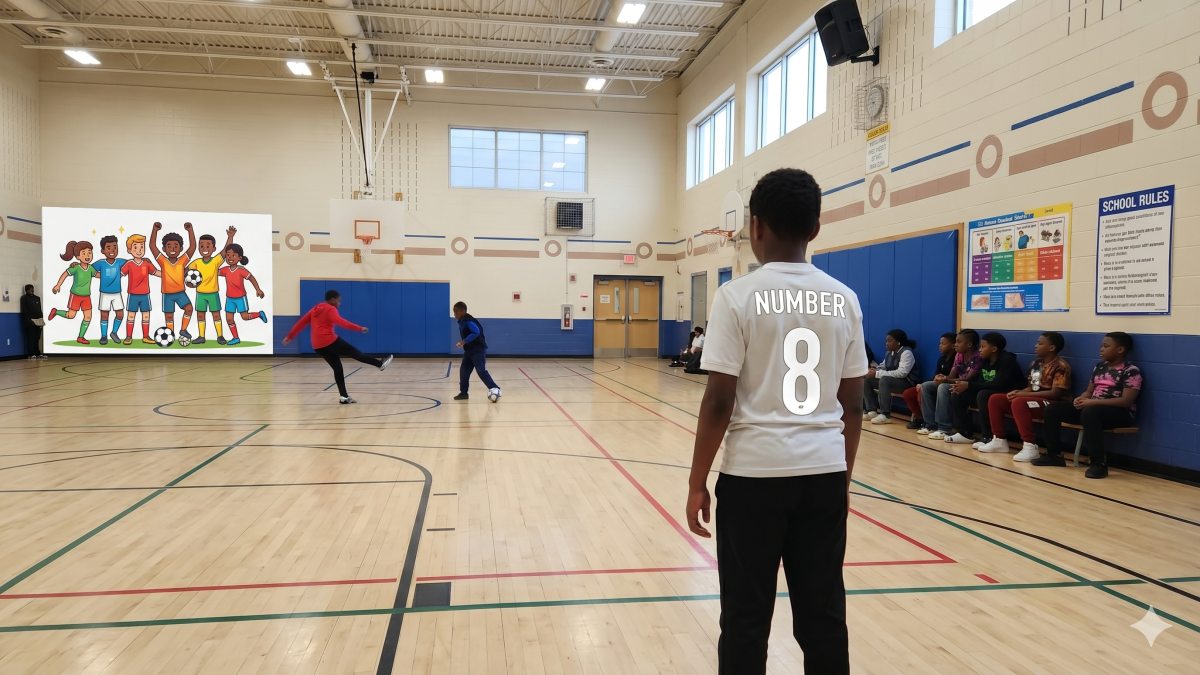
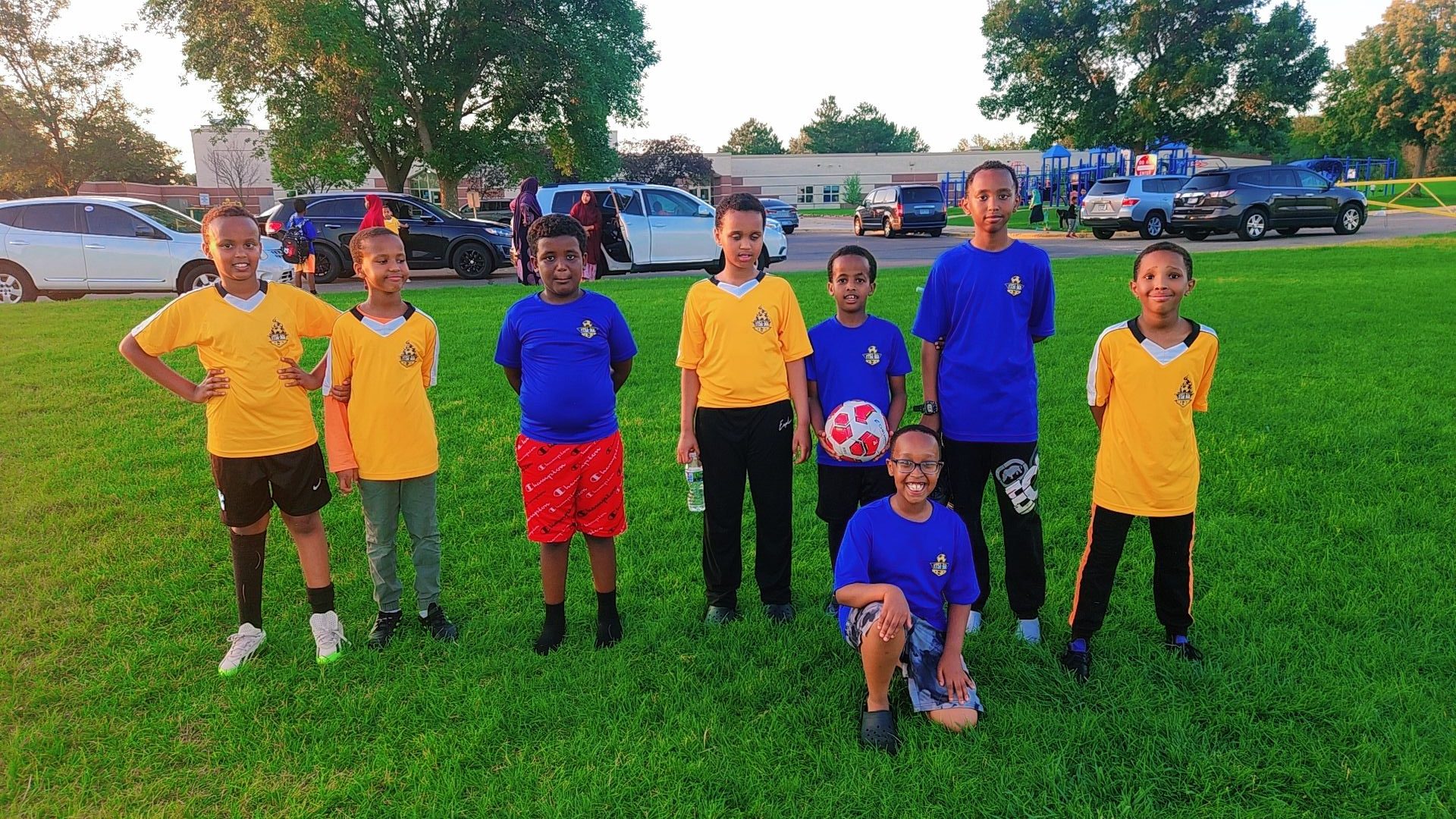
Trying to invent a fresh activity every week is exhausting. A better approach is to anchor each season with two or three repeating commitments and let the rest of the calendar fill in around them. For example, a family might commit to a Saturday soccer practice in fall and spring, a weekly swim lesson in summer, and a Thursday skating night in winter. The kids know what is coming, the parents know what to pack, and the year stops feeling improvised.
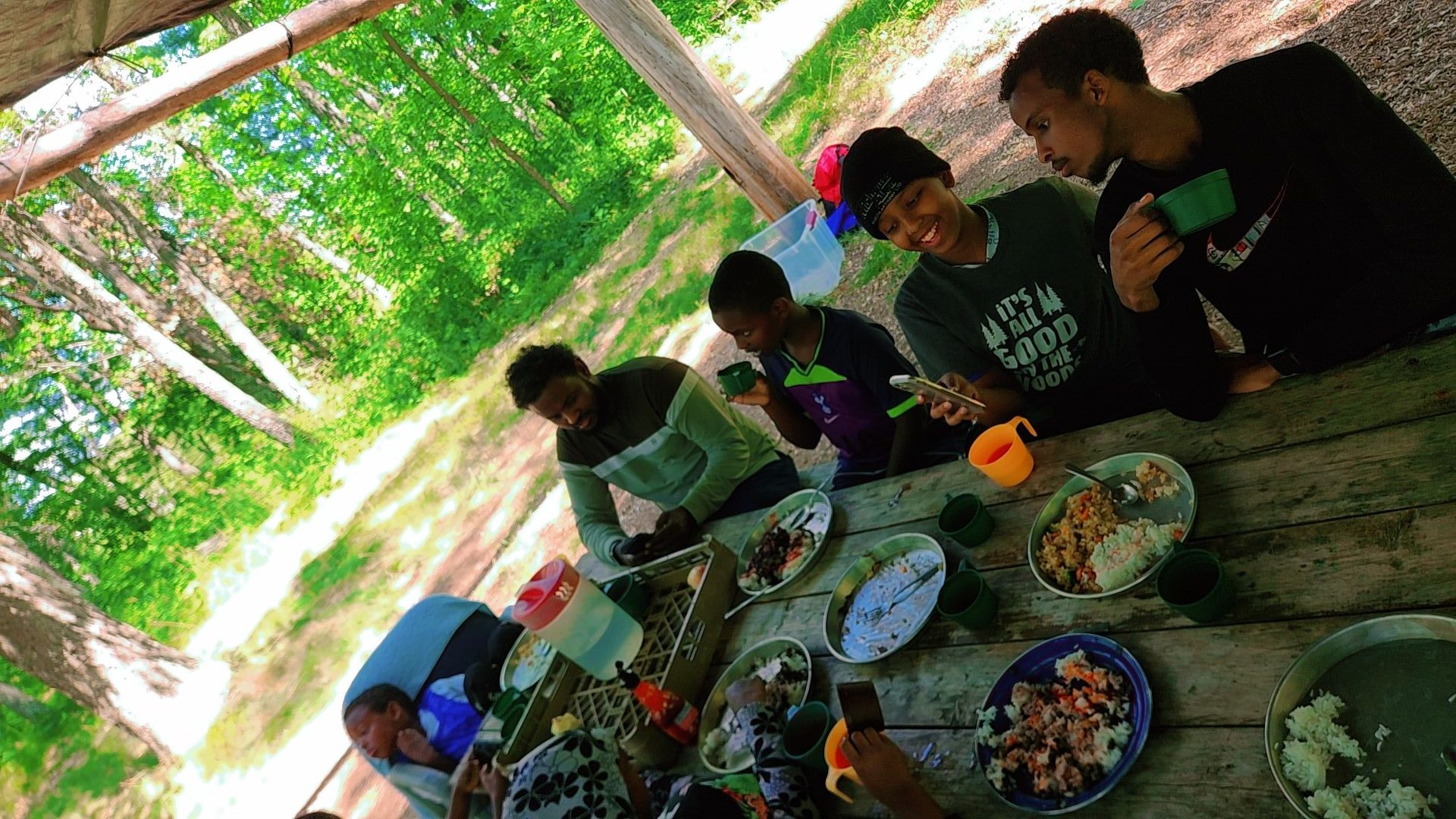
Shared meals matter just as much as activities. The Harvard Center on the Developing Child identifies stable, caring adult relationships as the single greatest predictor of resilience in young people. The dinner table, the snack after practice, the conversation on the drive home: these are the moments that change a child's trajectory.
MYSI runs programming twelve months a year. We do this because Minnesota kids do not stop growing when the weather changes, and neither should the support around them. Here is the short list of ways to plug in:
Yes. We run sports, mental wellness, leadership, and family programming twelve months a year, with seasonal adjustments to fit Minnesota weather and school calendars.
Our programs serve youth ages 6 through 24, with structured age groups and culturally responsive curricula in every track.
Many community events are free. Skills based and recreational programs carry a modest fee. Need based scholarships are available so that cost is never the reason a child cannot join. See the FAQ page for more.
Our primary hub is in St. Cloud, Minnesota, with partner locations across the Twin Cities and Greater Minnesota. Specific venues are listed on each program page.
Yes. Schools, faith communities, employers, and foundations are vital to keeping seasonal programming strong. Reach out and we will start a conversation tailored to your goals.
Minnesota gives families four seasons and 365 chances to invest in the next generation. The weather will change. The calendar will turn. The right rhythm of activity, rest, and support can carry your child through all of it. Whatever season it is when you read this, there is a way to get started today.
Share this article
Apr 24, 2026 · 7 min read
We use cookies to improve your experience and analyze site traffic. By clicking "Accept," you consent to our use of analytics cookies. Privacy Policy